
ServicesConventional Mortgage
Conventional Mortgage in Warren, MI
A conventional mortgage can mean a lower cost over time and mortgage insurance that goes away. It only works if your file fits it. We look at your credit, income, debts and down payment first, then tell you plainly if this loan is the right one.
What a conventional loan is and who it suits
A conventional mortgage is a home loan with no government backing from the FHA, VA or USDA. Most follow the guidelines set by Fannie Mae and Freddie Mac. They usually work best for borrowers with steady income, fair to strong credit and a manageable amount of monthly debt.
Many people assume they need 20 percent down. You don't. Some conventional programs allow a much smaller down payment. Below 20 percent, you pay private mortgage insurance, and that cost can come off later as you build equity.
We are a licensed mortgage broker. Before we talk rates, we find out what is actually driving your numbers. A low score, a new job or a car payment can each change which loan makes sense. Getting that right at the start keeps you from switching loans halfway to closing.
What we handle on a conventional loan
- A full look at your file
- We pull credit and go over your pay stubs, tax returns and bank statements. We point out anything an underwriter will question, before they do.
- Debt-to-income math
- We add up your monthly debts against your income the same way the lender will. If the ratio is tight, we show you which payment is causing it.
- Down payment and PMI options
- We lay out what changes with 5, 10 or 20 percent down. You see the payment and mortgage insurance side by side.
- Pre-approval you can use
- Once the file holds up, we issue a pre-approval based on documents, not guesses. Sellers and agents take that more seriously.
- Rate comparison across lenders
- As a broker, we can put the same file in front of more than one lender. We show you rate and fees together so you compare the whole cost.
- Closing with E-Sign Technology
- Many disclosures and documents can be signed with e-sign. That cuts down on trips to the office and keeps the file moving.
Signs a conventional loan may fit you
Your credit is in decent shape
Conventional pricing rewards better scores. If yours is solid, this loan often costs less than an FHA loan over time.
You want mortgage insurance that ends
Private mortgage insurance on a conventional loan can be removed once you reach enough equity. That is not true of every loan type.
You have some money saved for down
Even a modest down payment opens up conventional options. More down lowers the insurance cost or removes it.
You already have an FHA loan
If your credit and equity have improved, moving to a conventional loan may drop your mortgage insurance. We can compare that against an FHA refinance.
The price is under the conforming limit
Conventional loans have a yearly size limit. If the price runs above it, jumbo loans are the better place to look.
What moves the cost of a conventional loan
Nobody can quote a fair rate before seeing the file. The rate and fees come from your own details and the market on the day you lock. Here is what moves them most.
Credit score
Higher scores get better pricing. Even a small jump in score can change the rate or the fees.
Down payment size
More down means a smaller loan and less mortgage insurance. At 20 percent down there is no PMI at all.
Debt-to-income ratio
High monthly debts can limit how much you qualify for. Paying down one account before applying sometimes makes a real difference.
Property and occupancy
A primary residence prices better than a second home or rental. Condos and multi-unit buildings can carry extra costs.
Points and lock timing
You can pay points up front for a lower rate, or not. A longer rate lock can cost a little more.
How it works from first call to closing
- 1
The first conversation
We talk by phone, by video or at our office in Warren. You tell us the price range, your income and what you have saved. We ask a lot of questions.
- 2
Find what's driving the numbers
We pull credit and review documents. If something is holding you back, like a high card balance or a gap in work history, we name it and tell you what helps.
- 3
Pick the loan and lender
We compare conventional offers, and other loan types if they fit better. You choose with the full cost in front of you.
- 4
Pre-approval and offer
You get a pre-approval letter to shop with. Once you have an accepted offer, we lock the rate when you are ready and order the appraisal.
- 5
Underwriting and closing
We answer underwriter conditions quickly and keep you posted. Then you sign, many papers by e-sign, and close.

Conventional mortgage questions
What credit score do I need for a conventional loan?
Many lenders look for around 620 as a floor. Higher scores get noticeably better pricing. If you are near the line, we look at what is pulling your score down and whether waiting a month or two would help.
Do I really need 20 percent down?
No. Some conventional programs allow a much smaller down payment, especially for first-time buyers. Under 20 percent you pay private mortgage insurance. We show you the payment at a few down payment amounts so you can decide.
How do I get rid of PMI later?
You can usually ask to remove it once your loan balance reaches 80 percent of the original value, if your payment history is clean. It drops off on its own at 78 percent. Higher property values can sometimes help sooner, which may need a new appraisal.
Is conventional better than FHA?
It depends on your file. With good credit, conventional is often cheaper over the life of the loan. With lower scores, FHA can come out ahead. We run both and show you the numbers instead of guessing.
Can you help if I'm buying outside Warren?
Yes. We work with borrowers in Sterling Heights, Roseville, Madison Heights and other nearby areas. Most of the process happens by phone, video and e-sign.
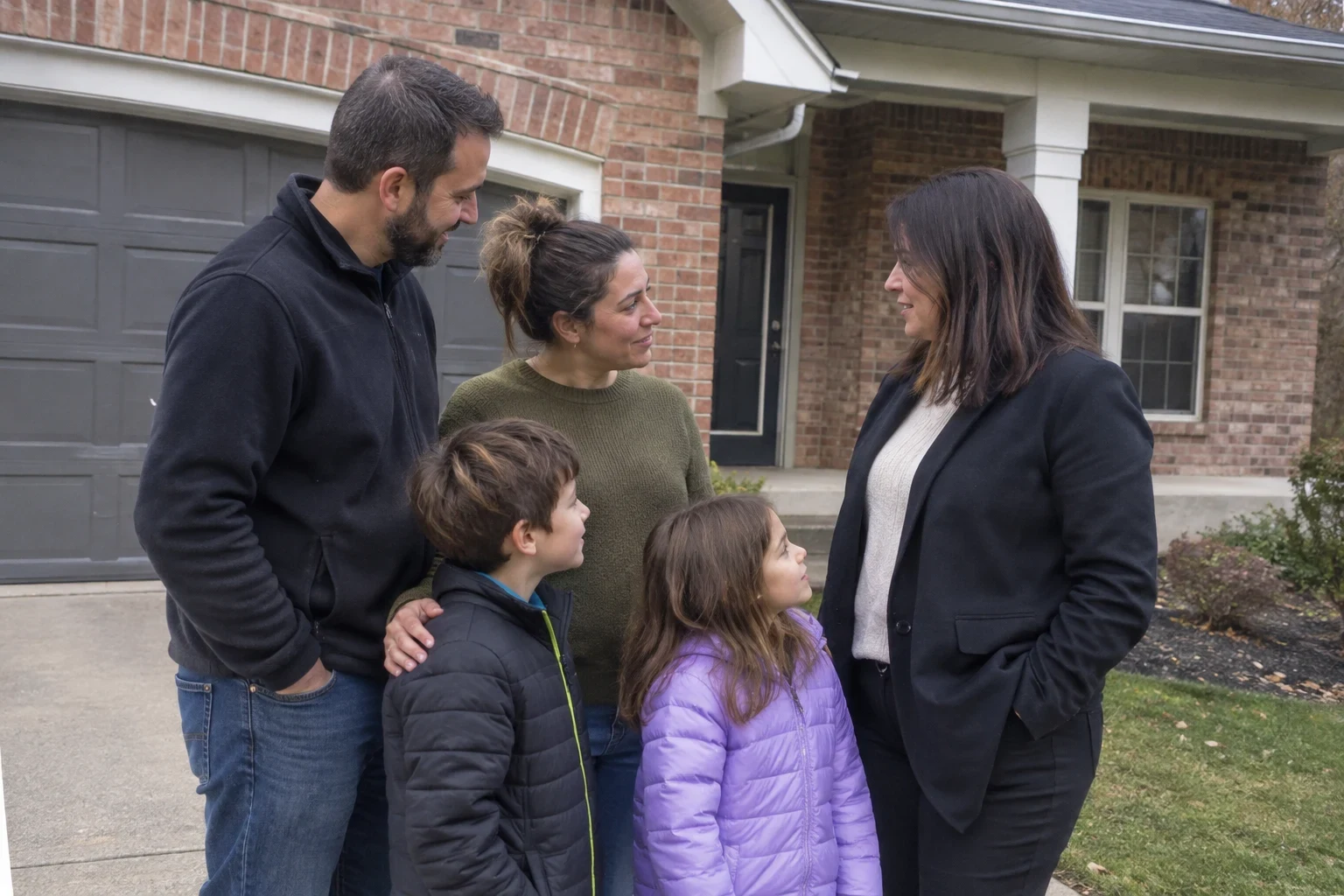
Find out if conventional is the right fit
One call is enough to start. We go over your numbers, find what matters most in your file and get your pre-approval moving.